
Are you also worried, like many others, that your YouTube videos are not getting views, your YouTube channel is not growing, and your graph is not going up? If so, you are in the right place. Here, I will give you a complete guide after which your videos will get millions of views, and you will earn money in millions of dollars.
Do you want a complete guide to YouTube automation? Follow this page
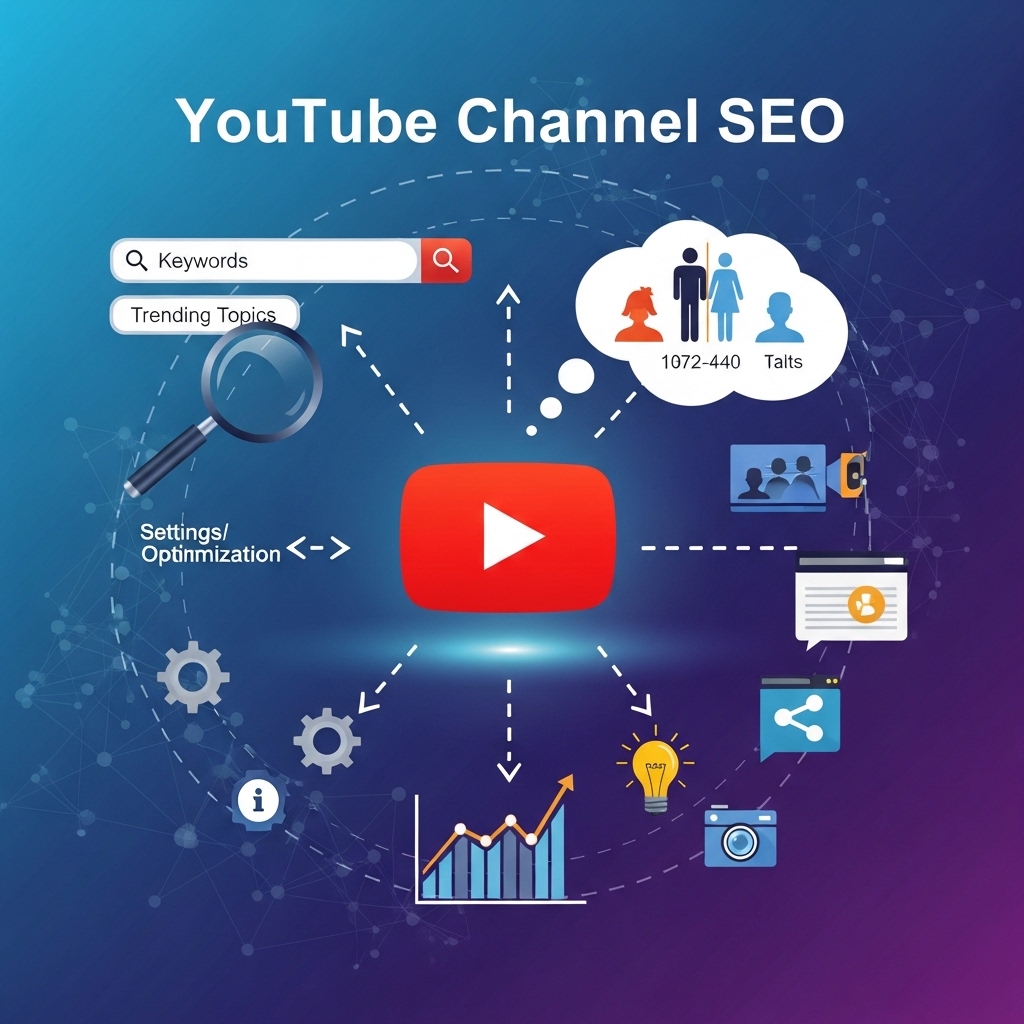
YouTube is the world’s second-largest search engine after Google. It is the most powerful platform for learning, entertainment, and earning. Millions of creators upload videos every day, but only a few reach the top of search results. The difference between a successful channel and an average channel is not only content quality but also YouTube Channel SEO.
YouTube SEO helps your videos reach the right audience, improve visibility, and increase engagement. When your videos are optimized correctly, they appear in YouTube search, suggested videos, and even Google search results. In this guide, you will learn how YouTube SEO works, how to optimize your channel and videos, and how to build long-term growth using smart strategies of automation.
What is YouTube SEO?
YouTube SEO
YouTube Channel SEO is the process of optimizing your videos, channel, and content structure so that YouTube’s algorithm can understand your topic easily and rank your videos higher.
In simple words:
YouTube SEO means making your videos discoverable, relevant, and engaging.
How YouTube Algorithm Understands Your Content?
YouTube does not “watch” your video like humans. Instead, it analyzes data and signals to understand your content.
The algorithm focuses on:
1. Search Intent and Relevance
YouTube checks whether your video matches what people are searching for.
2. Viewer Behavior
It analyzes how viewers interact with your video, such as:
3. Content Context
YouTube uses titles, descriptions, tags, captions, and transcripts to understand the topic of your video.
4. Channel Authority
If your channel consistently creates content around a specific topic, YouTube trusts it more. This is why topical consistency and semantic relevance are important.
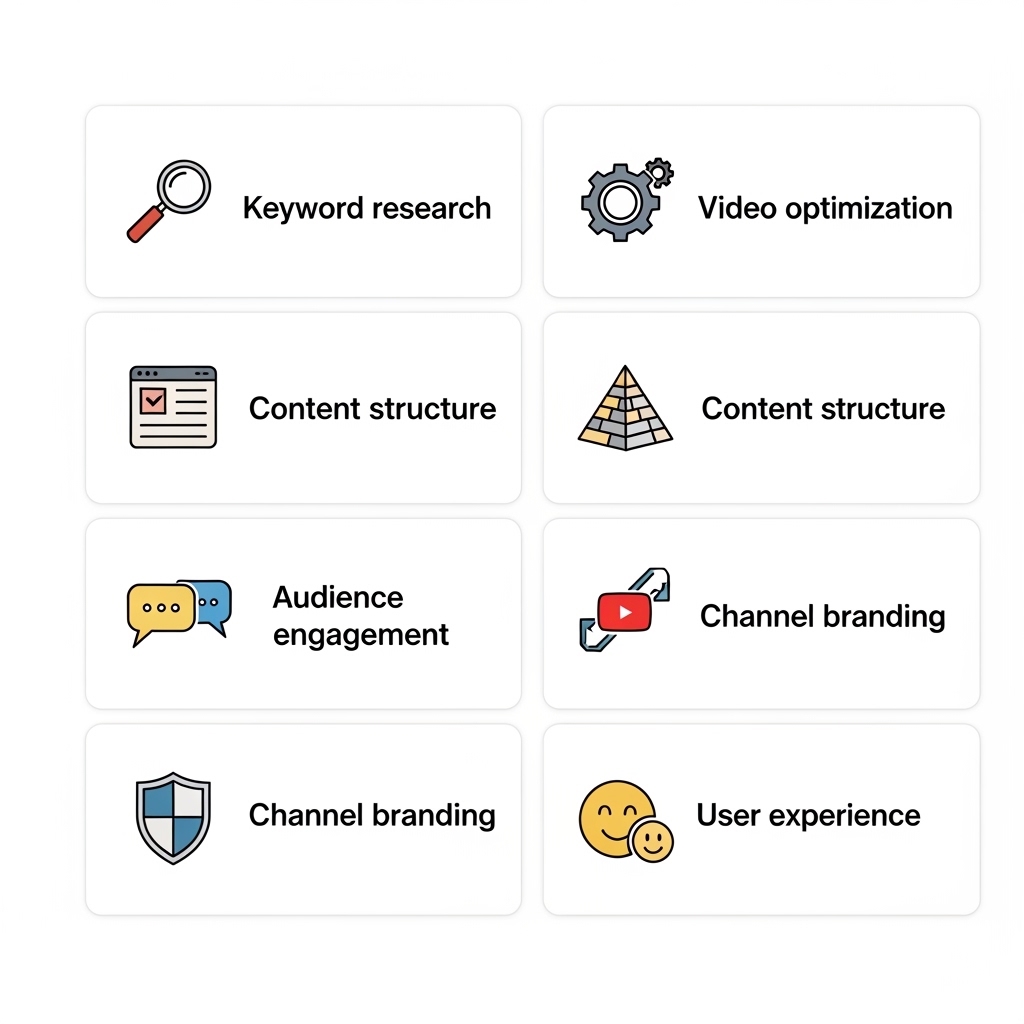
Practical Components of YouTube SEO Workflow
Here is a simple workflow you can follow:
This systematic approach leads to sustainable growth.
1. Keyword Research: Understanding What People Search
Keyword research is the foundation of YouTube SEO. A keyword is a phrase that people type in the search bar. Instead of guessing topics, you should create content based on real search queries.
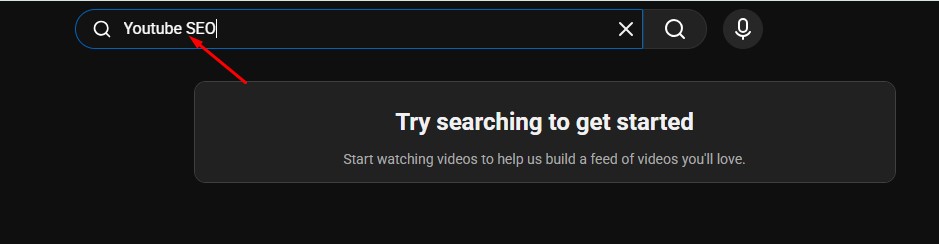
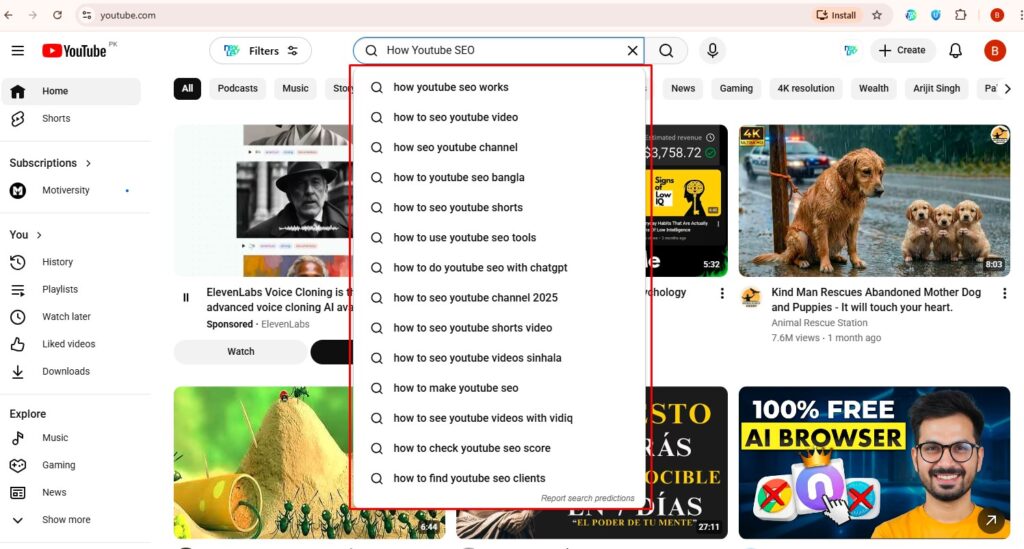
Ways to Find YouTube Keywords
- YouTube search suggestions
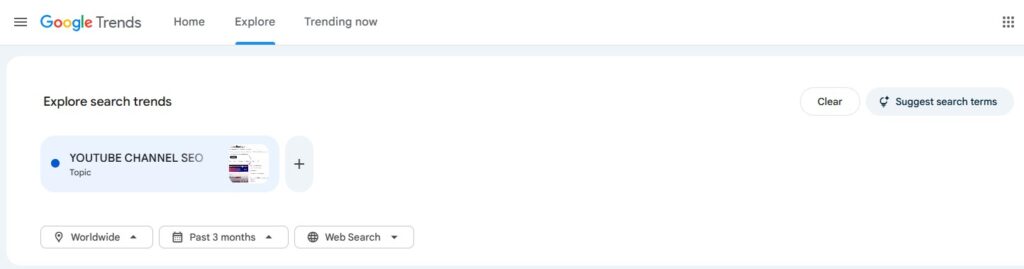
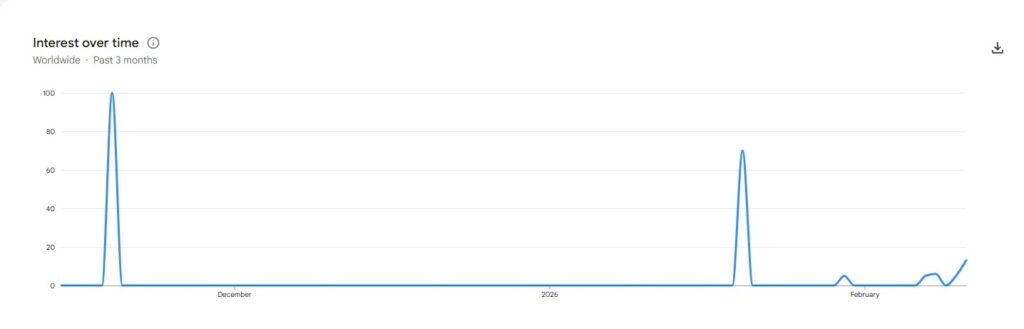
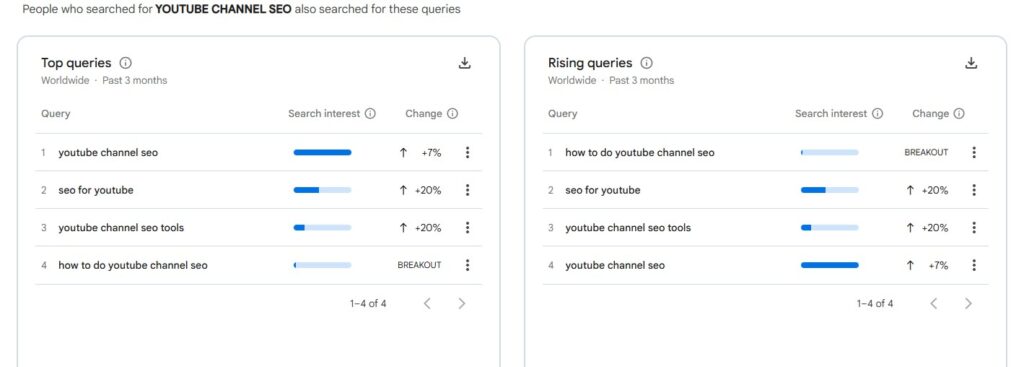
2. Google Trends
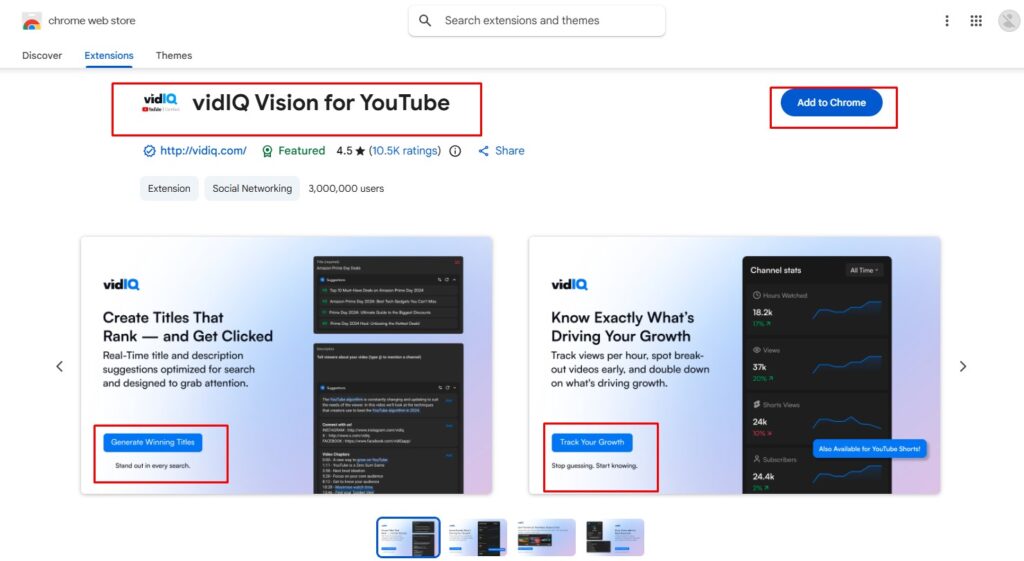
3. VidIQ or TubeBuddy
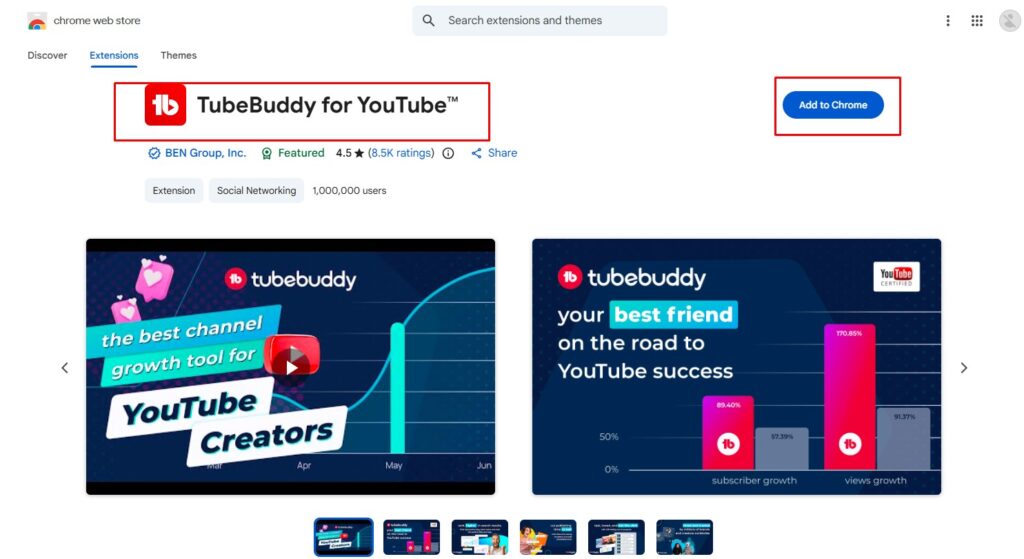
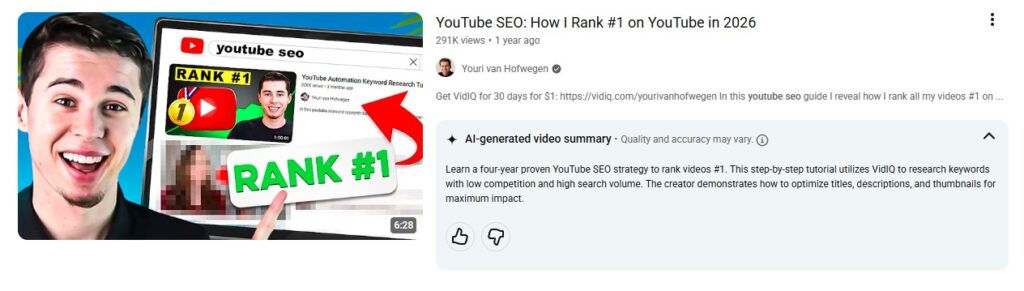
4. Competitor video analysis
5. Google search results
Example Keyword Cluster for YouTube SEO
Primary keyword:
YouTube channel SEO
Related semantic keywords:
Using these related terms naturally makes your content semantically rich.
2. Writing Powerful and Relevant Video Titles
Your title is one of the strongest ranking factors on YouTube.
A good title should:
Example
Weak title:
My YouTube Tips
Strong semantic title:
YouTube Channel SEO Guide: How to Rank Videos and Grow Faster
This title includes meaning, context, and search intent.
3. Description Optimization: Building Context and Meaning
The video description is not just a summary, it is a semantic signal for YouTube.
A well-written description helps YouTube understand:

Best Practices for Descriptions
Example
Instead of repeating “YouTube SEO”, also use:
video ranking
channel growth
content optimization
audience engagement
search visibility
This improves NLP-based understanding.
4. Tags and Metadata: Supporting Your Main Topic
A tag is a keyword or label that is used to describe something posts, photos, or videos. Tags help people to find your video. Tags help YouTube understand your content from different angles. TubeBuddy is a chrome extension which helps you to find competitor tags.

5. Thumbnails and Click Behaviour (UX Signal)

Your thumbnail affects how many people click on your video. Thumbnail must include clear visuals, readable text, simple design, and consistent branding. YouTube considers click-through rate (CTR) as a ranking signal.
6. Watch Time and Audience Retention
Watch time is very important on YouTube. If people watch your video longer, YouTube thinks it is valuable. To keep viewers watching, start with a strong hook, explain the problem clearly, and give simple solutions. Use stories or examples to make it interesting, and keep your video smooth and easy to follow. How long people stay watching shows how engaging your content is.

7. Engagement Signals: Building Interaction
YouTube also measures how viewers interact with your content.
Important engagement signals include:
How to Increase Engagement
Engagement tells YouTube that your content is meaningful and relevant.
8. Playlists and Content Structure
A playlist means a long list of videos that helps YouTube understand the structure of your channel. When your videos are connected logically, YouTube sees your channel as an authority on that topic.
Example Content Structure
Main topic:
YouTube SEO
Supporting topics:
This creates a semantic network of content.
9. Channel-Level Optimization
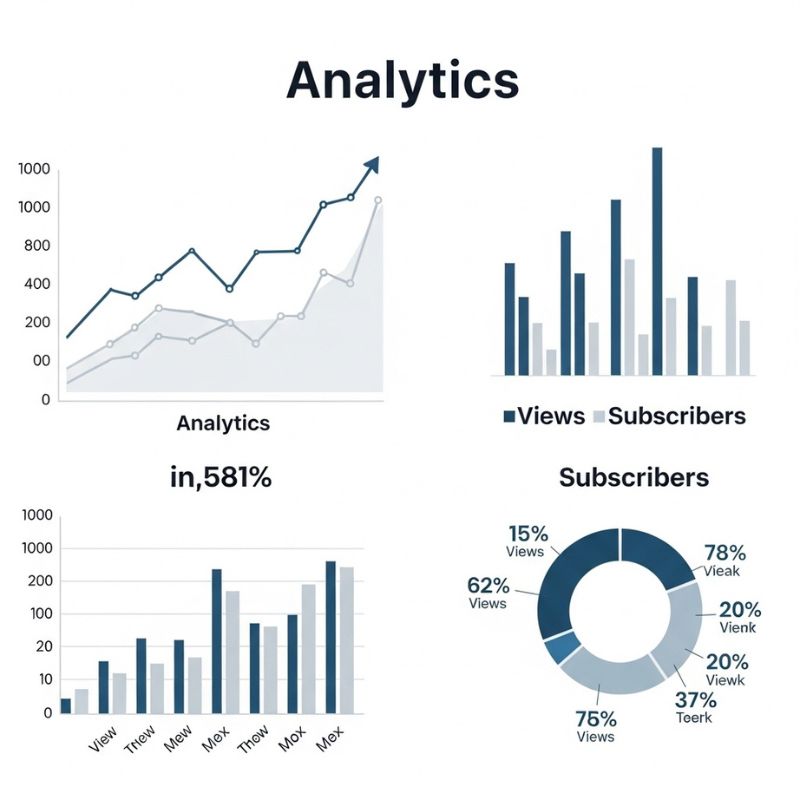
Channel-level optimization is an important part of YouTube SEO optimization, but many creators ignore it. Your channel should clearly show your niche so both users and the algorithm can understand your content. Using proper YouTube SEO keywords in your channel name, description, and branding helps improve visibility. A strong visual identity also builds trust and supports better YouTube video SEO performance.
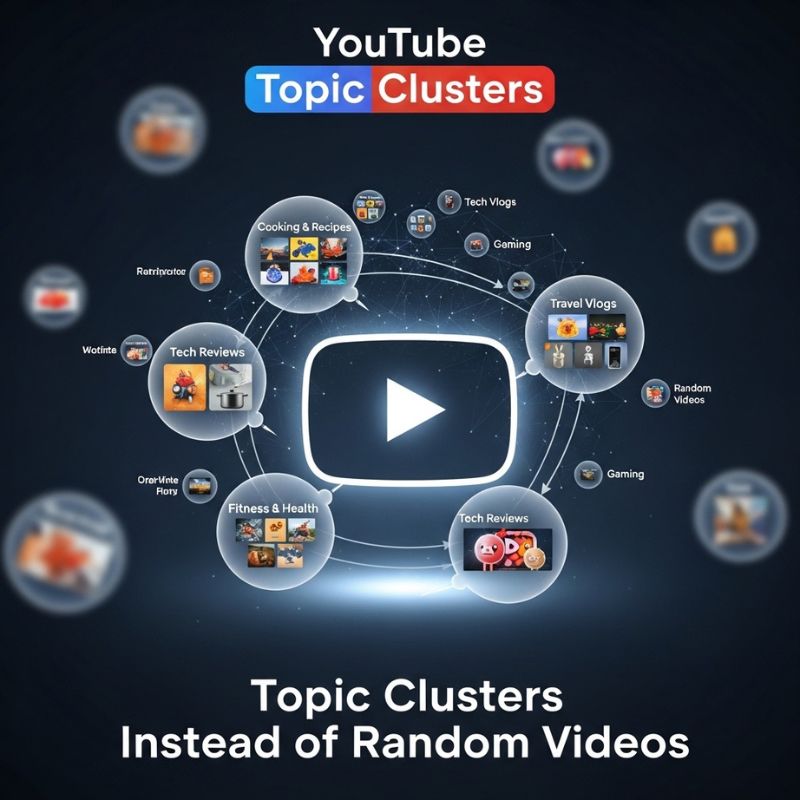
1. Topic Clusters Instead of Random Videos
Creating topic-based content is a key part of YouTube SEO best practices 2026. It helps YouTube understand that your channel focuses on a specific niche. When you upload related videos, they support each other and improve ranking. This strategy works well even without paid YouTube SEO services.
2. Understanding Search Intent

Understanding search intent is a core part of what is YouTube SEO. Every viewer has a purpose, so your content should match what they are looking for. For example, someone searching “YouTube SEO for beginners” wants a simple guide so that the user can understand YouTube algorithms easily and can make their content more engaging.
3. Using Captions and Transcripts
Captions and transcripts help in better YouTube SEO optimization. They allow YouTube to understand your video content more clearly. They also improve user experience, especially for people who prefer subtitles. If you create content in English language then captions and transcripts are better option in ranking of your content quickly.

4. Consistency and Content Quality
Consistency is a major part of YouTube SEO best practices. It means uploading regularly while maintaining good quality content. If you want growth on YouTube, you must provide value in every video. Quality matters more than quantity.
5. User Experience as a Ranking Factor
User experience plays a big role in modern YouTube SEO. Videos that people enjoy are more likely to rank higher. Clear explanation, good audio, and simple language improve engagement. You don’t always need a YouTube SEO audit tool to get better results.

Common Mistakes in YouTube SEO
Many creators ignore YouTube SEO basics, which affects their growth. Not doing keyword research and using misleading titles are common mistakes. Poor descriptions and inconsistent uploads also hurt performance. Better keyword research can help fix these issues easily.
Conclusion
YouTube SEO is a long-term strategy that requires patience and consistency. You need to focus on quality content and proper optimization. By following the right YouTube SEO tips, you can grow your channel steadily. Always focus on providing value to your audience. Still, if you have any questions or any other confusion, then contact us freely.

Learning is the foundation of earning, as knowledge and skills directly impact career growth and financial success. In today’s competitive world, continuous learning keeps individuals adaptable, enhances their expertise, and opens doors to better opportunities. Whether through formal education, professional training, or self-improvement, acquiring new competencies increases employability, boosts productivity, and leads to higher income potential. Ultimately, investing in learning is investing in a more secure and prosperous future.